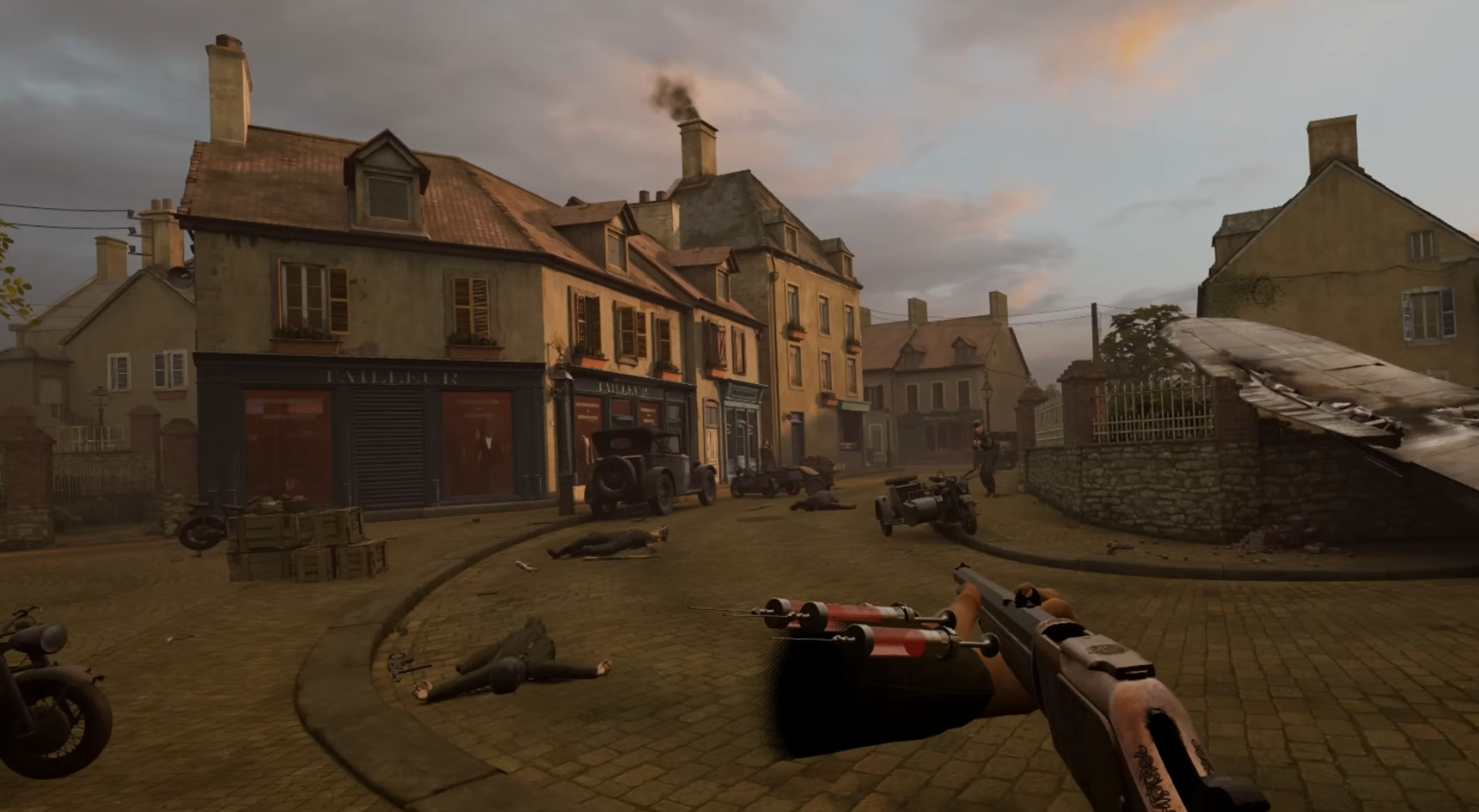
Medal of Honor: Above and Beyond
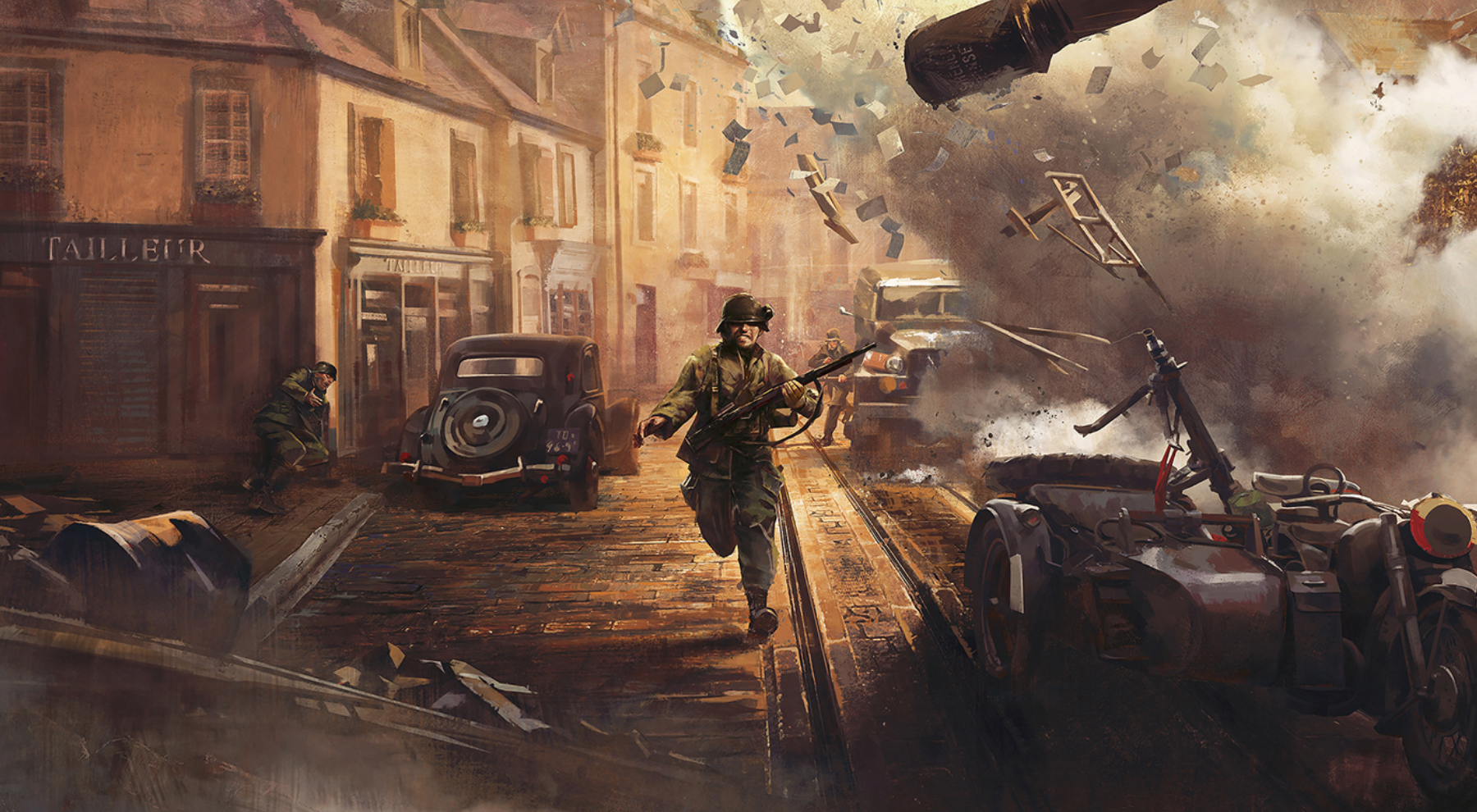
The Project
I joined what became Medal of Honor: Above and Beyond during a critical early development window, when the team was defining what a WWII FPS campaign could become in VR. My role was to help lay the foundation for the campaign’s mission structure, level design philosophy, encounter combat pillars, and designer-facing workflows while delivering monthly milestones that supported continued project funding from Oculus.
Although my tenure preceded the final shipped version of the game, my work had a significant impact on the project’s pre-production and greenlight phase, with much of that influence still visible in the shipped product. The central challenge was not simply adapting a traditional FPS to VR; it was defining how movement, shooting, cover, objectives, encounter pacing, and cinematic mission flow should work when the player’s body, hands, comfort, and spatial awareness became core parts of the experience.
My experience on this project was a strong example of how I would grow to operate as both a design leader and senior individual contributor: aligning creative vision, proving ideas through playable content, supporting funding milestones, and building the systems, structure, and team foundation needed for a project to move forward.
Key Contributions
Vertical Slice
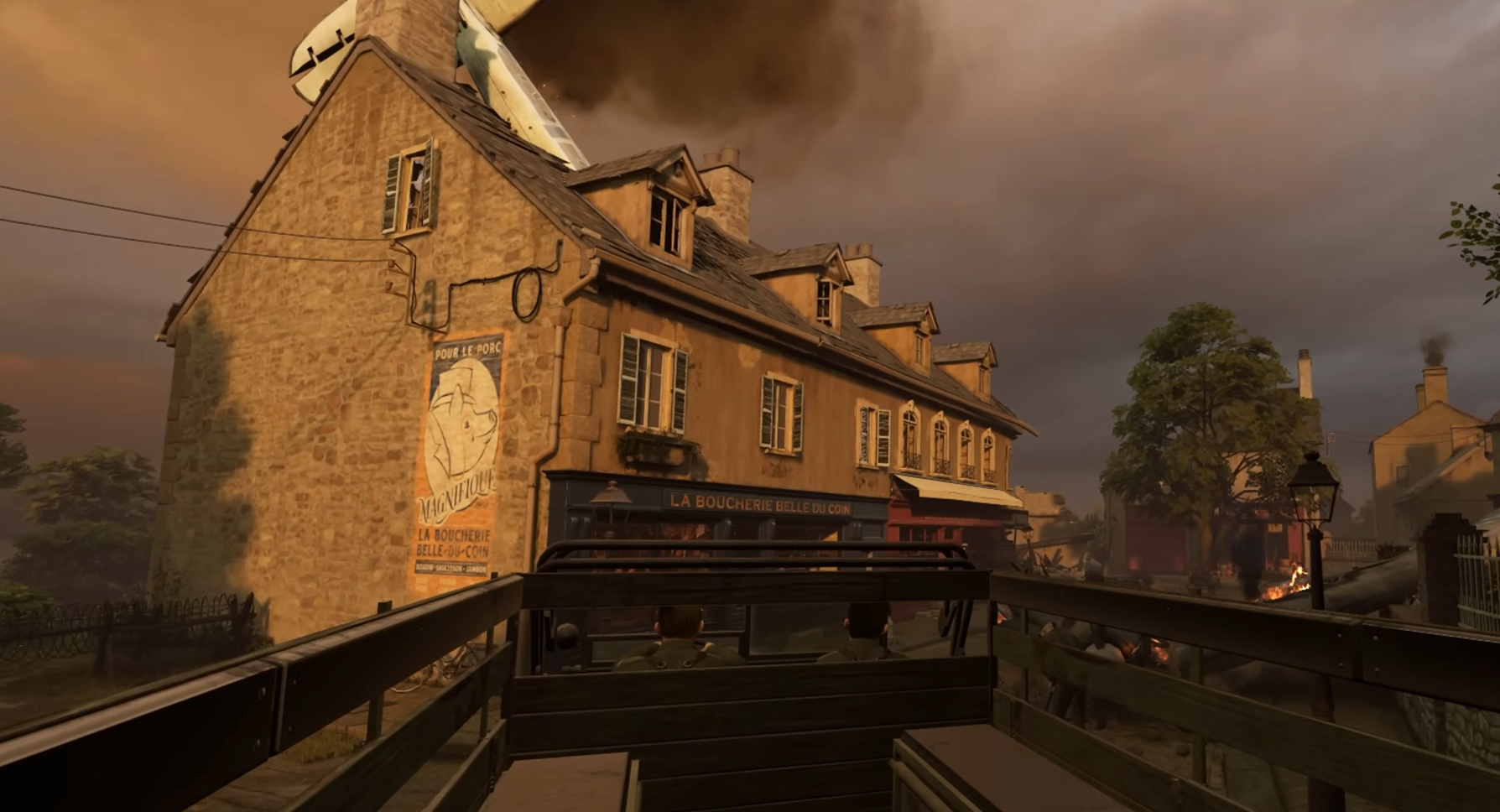
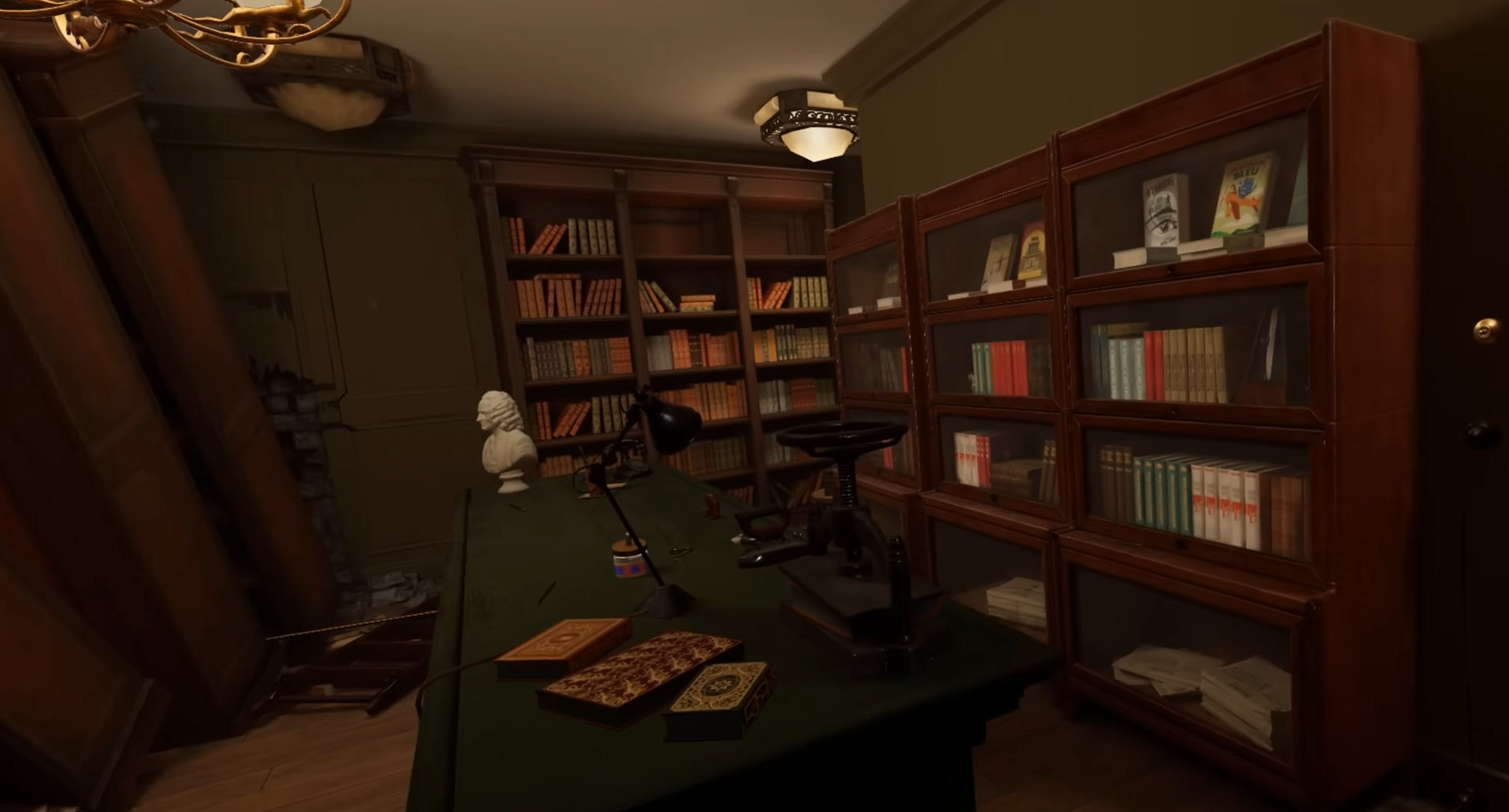
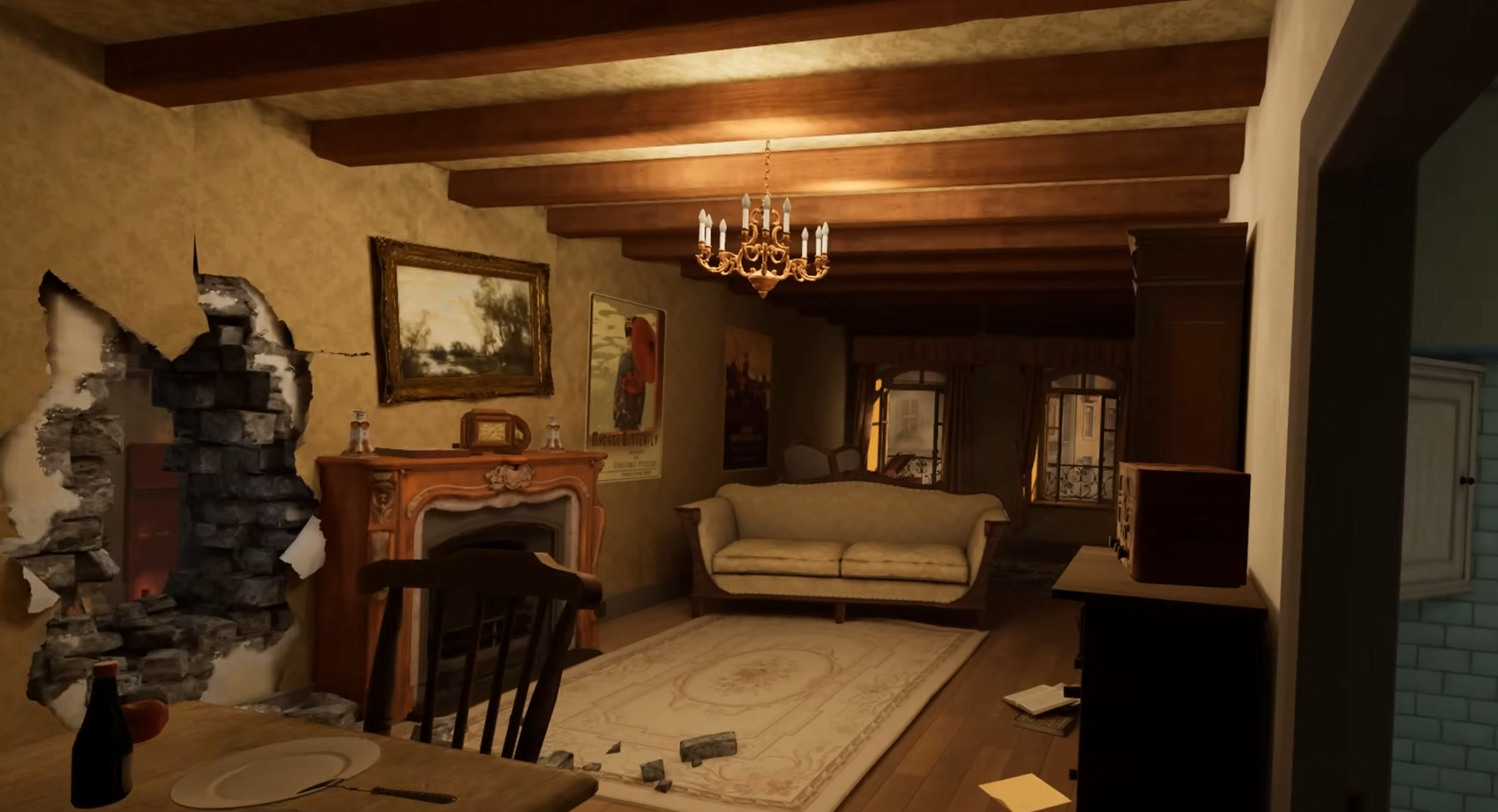
I led mission design efforts on the vertical slice that would become the foundation for the “Belle du Coin” section of the first mission. Helping the team prove the campaign’s tone, mission structure, and VR interaction model during a key publisher-facing greenlight phase.
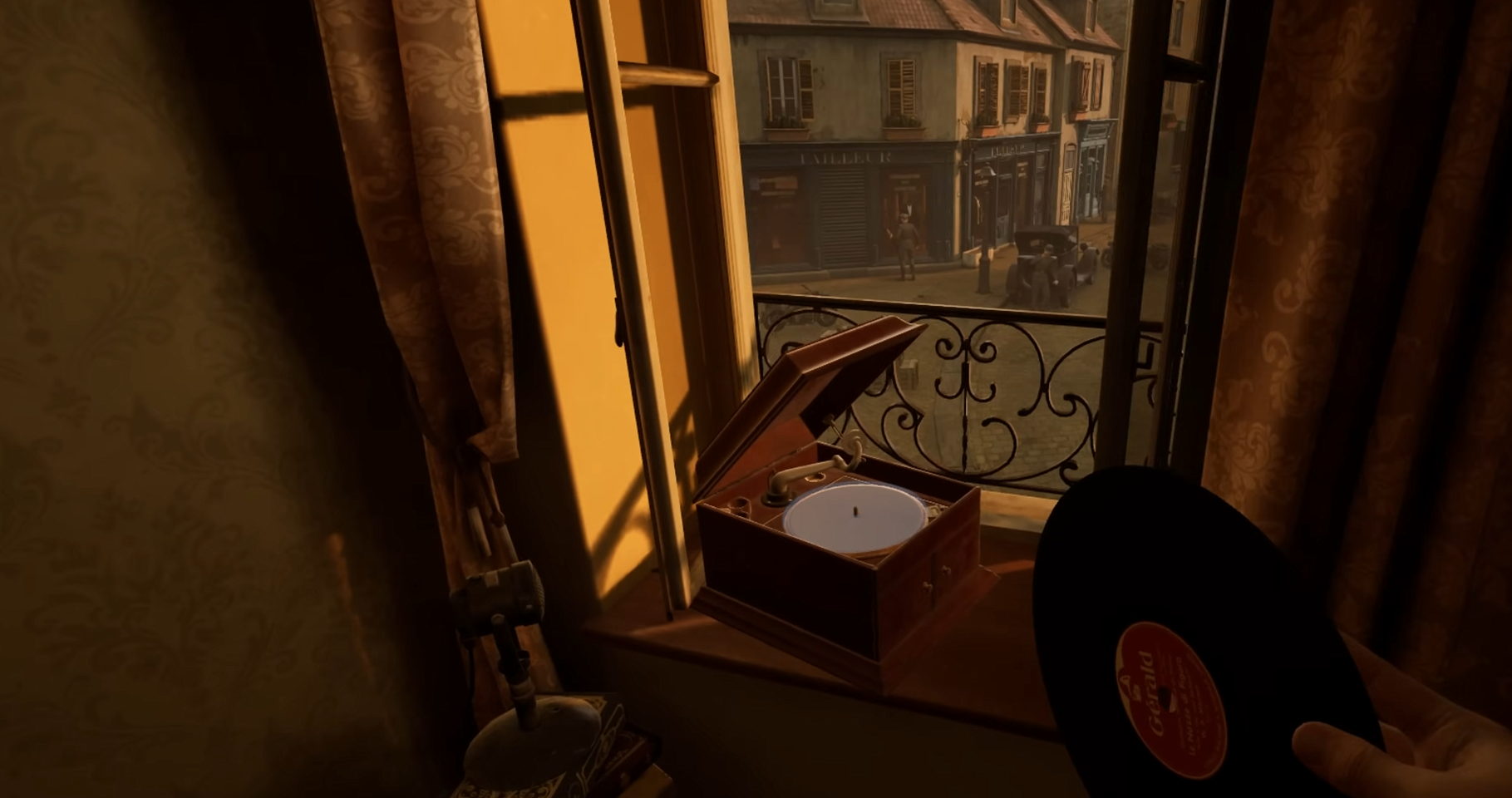
The sequence combined undercover exploration, environmental investigation, tactile objective interaction, resistance sabotage, and an eventual combat escape through town. Players moved through a clear escalation: Move through a Nazi occupied town undercover, Find a secret record in an old bookstore and play a signal to the resistance, and fight their way out of the area.
From a design standpoint, this slice was important because it demonstrated that a VR shooter could be more dynamic than an on rails shooting gallery. It could support quiet tension, physical interaction, character-driven objectives, and tactical shooter combat. The successful delivery of this slice helped open funding gates and eventually led the project to be brought into the Medal of Honor IP.
Campaign Design
I worked closely with the Creative Director to define the campaign’s high-level mission structure, narrative flow, level design philosophy, and core gameplay metrics. This included blocking in the structural grey mesh skeleton for key campaign missions and helping establish a repeatable design language for how missions should be paced, authored, and built.
A major focus was defining how we could use VR in ways that felt meaningful rather than ornamental. Objectives needed to justify the medium: placing a record on a player to signal allies, physically assembling sabotage devices, searching intimate spaces, handling weapons, manipulating props, and using the player’s body as part of the fiction.
I also contributed to the broader team foundation by helping recruit design talent and establish expectations for how mission designers would approach creating campaign content.
VR Combat Design
Beyond high-level mission direction, I contributed directly as a hands-on designer to the project’s VR combat and encounter foundation. Traditional FPS assumptions around aiming, cover, enemy pressure, readability, and weapon handling do not translate directly into VR, so much of the work involved defining new rules for how WWII combat should feel when the player physically aims, reloads, reacts, and occupies the space.
I helped develop the foundations for AI encounter setup and implementation workflows, working with engineers to create tools and tech that other designers could use to build and iterate combat encounters more efficiently using a node and area system. This helped move the project away from bespoke prototype setups and toward a more scalable campaign production model.
I also prototyped and explored VR-specific combat interactions that leaned into physicality and player expression, including shooting helmets off enemies and using them as melee objects, physically pushing cover, and throwing grenades back at enemies. These prototypes were part of a broader effort to find mechanics that made combat feel native to VR rather than simply adapted from a flatscreen shooter.