Scavengers
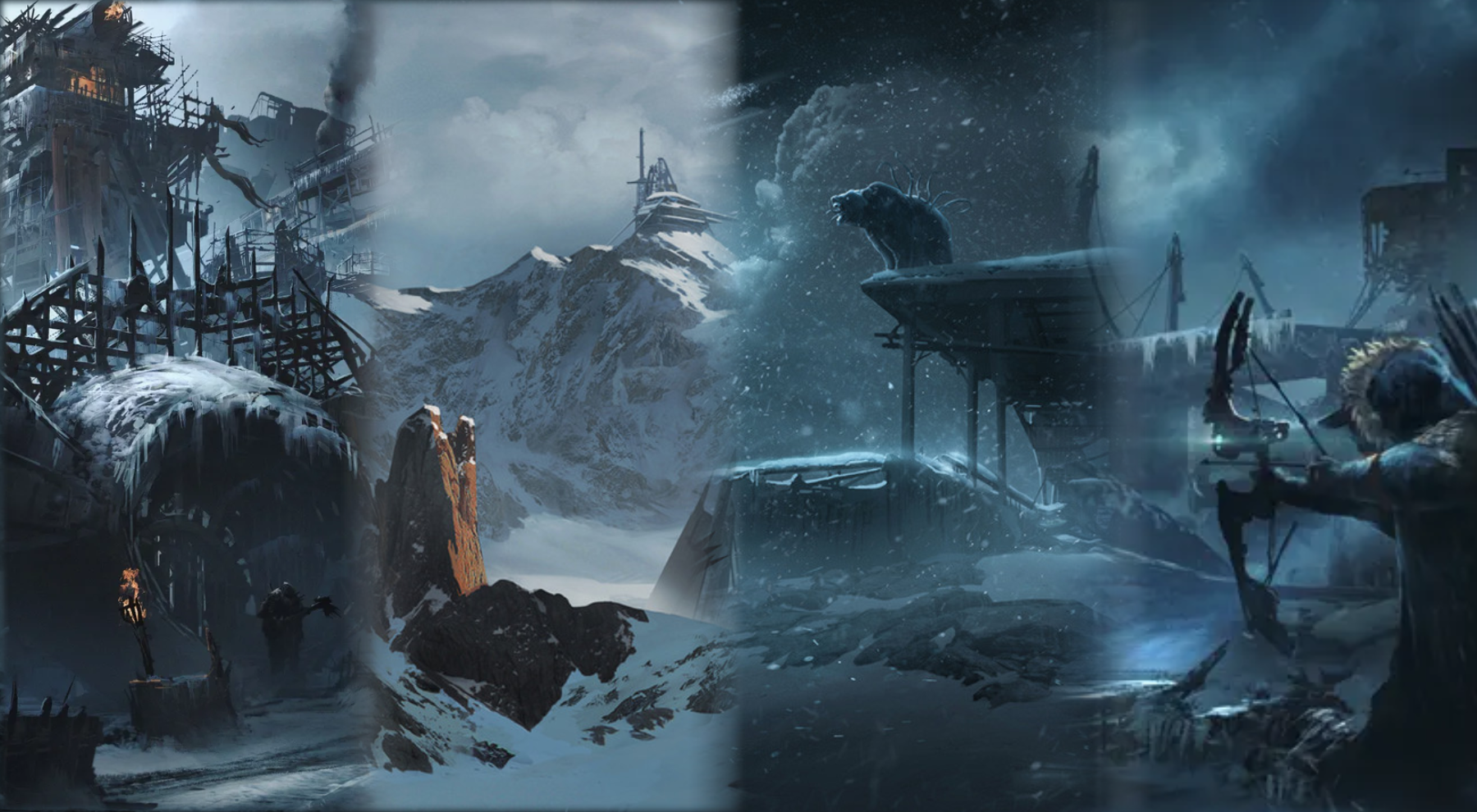
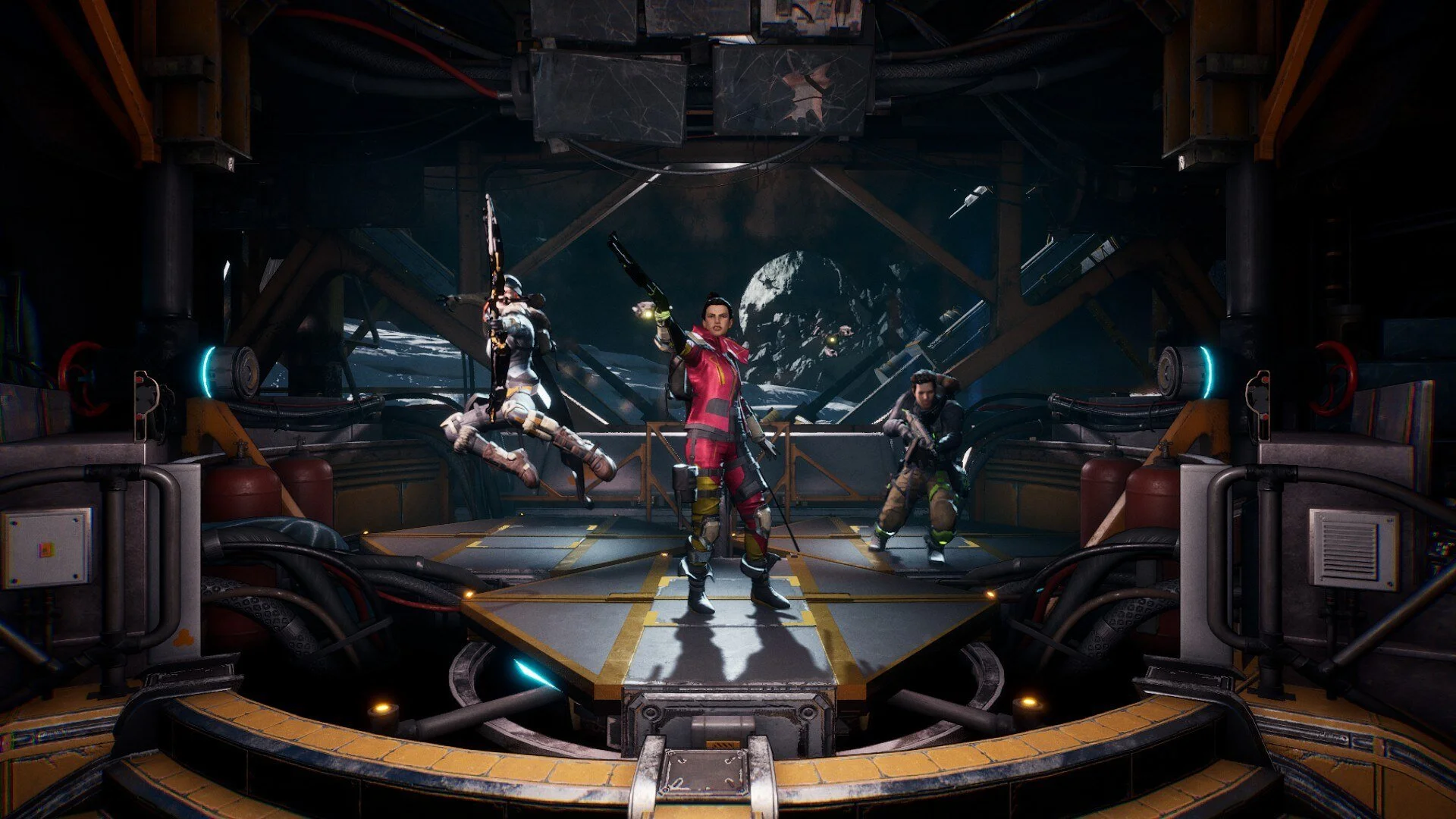
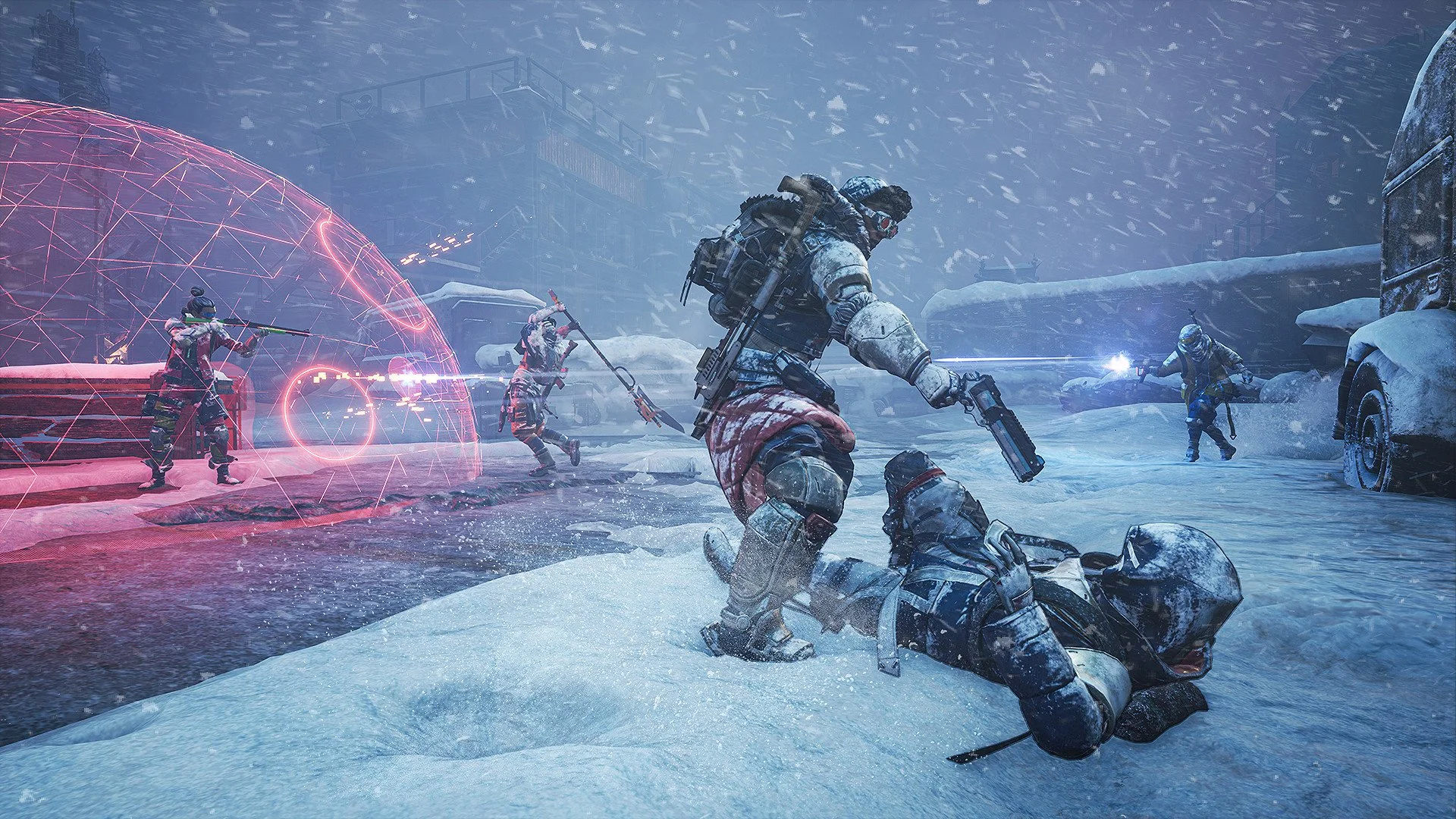
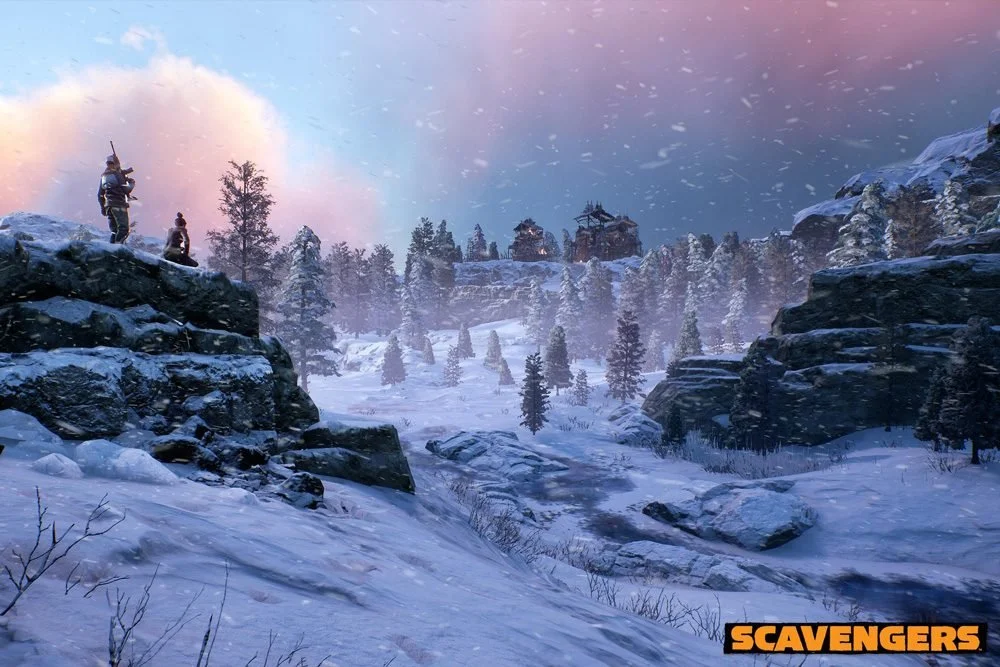
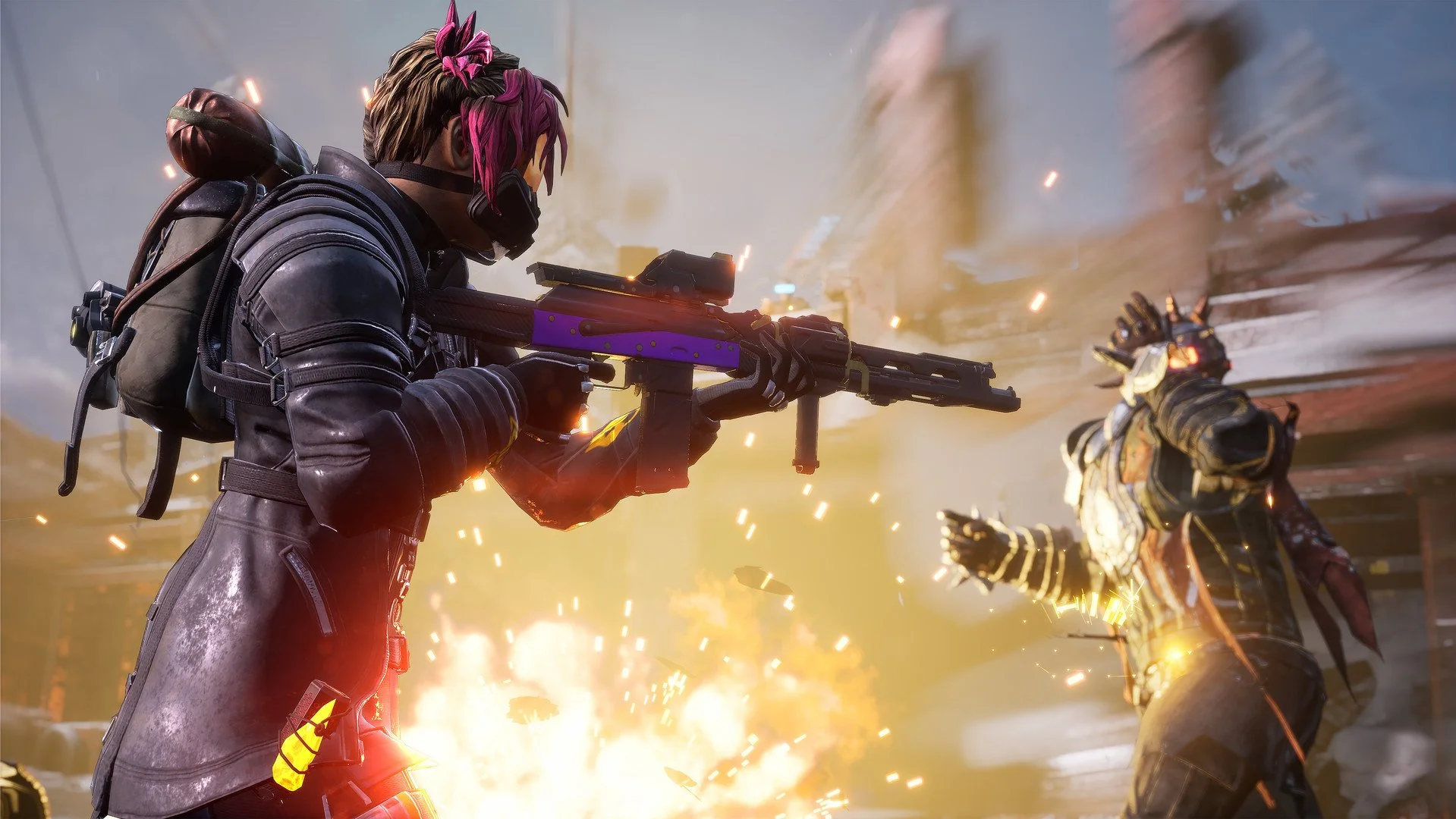
Scavengers was a free-to-play third-person PvPvE survival shooter which would be recognized now as landing somewhere between a battle royale and extraction shooter. Scavengers was built around squad-based combat in a hostile frozen world. Teams of three entered a frozen wasteland, selected Explorers, fought AI factions, scavenged resources, crafted upgrades, and competed against enemy squads for control of the match.
I joined Midwinter early in the studio’s life and helped shape both the game and the team through the full arc of development. I established the early vision for level design, encounter design, session progression, and foundational gameplay systems in Unreal Engine, while also contributing to team leadership, recruiting, process development, and outsourcing management.
My first tenure at Midwinter was defined by building: the studio, the team, the game’s design language, and the systems that allowed Scavengers to become a shippable product. I helped establish the foundations for map flow, encounter design, session economy, crafting, and playtest iteration while guiding cross-discipline execution from early concept through launch.
Scavengers was an important step in my growth as a design leader because it demanded more than feature ownership. It required me to think like a director: define the experience, build the team around it, create the language to support it, and make decisions that connected individual design choices to the larger product.
Overview
Building the Studio and Team
When I joined Midwinter, the studio had fewer than eight developers. I helped scale the team to more than thirty people, recruiting over twenty game developers while helping to establish the studio culture, expectations, and working rhythms needed to move from early concept to a shippable live product.
The biggest development challenge was that we were building the studio and the game at the same time, requiring us to build the plane while flying it. I focused on creating a clear design language, practical ownership models, and efficient workflows for the design department that could support fast iteration without losing direction. I defined how designers worked with engineering, art, and production so the team could develop content in a holistic and player focused way.
That early studio-building period became a major part of my leadership foundation. It required design judgment, production awareness, and the ability to identify the kind of developers, processes, and constraints the game and studio needed in order to succeed.
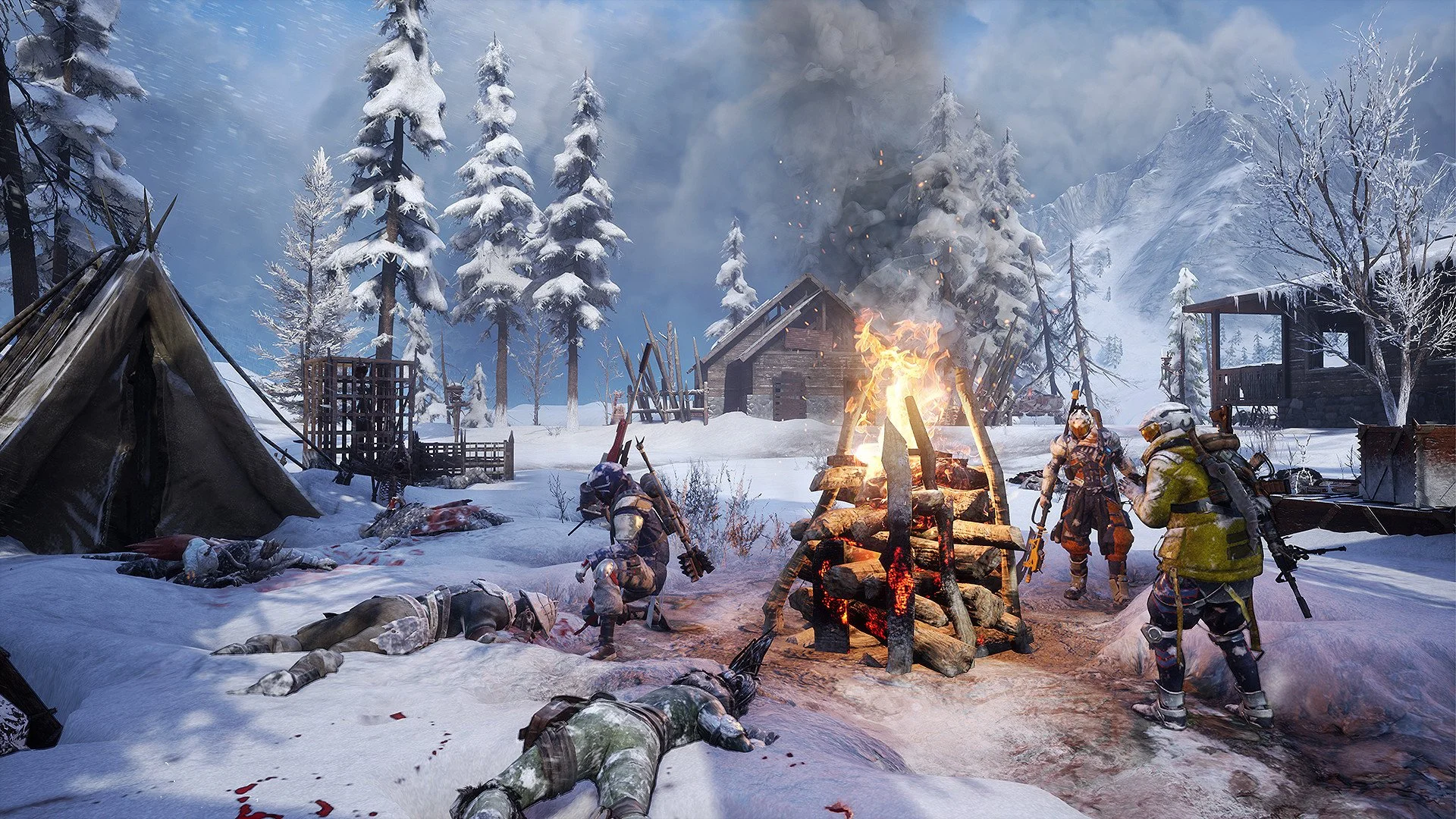
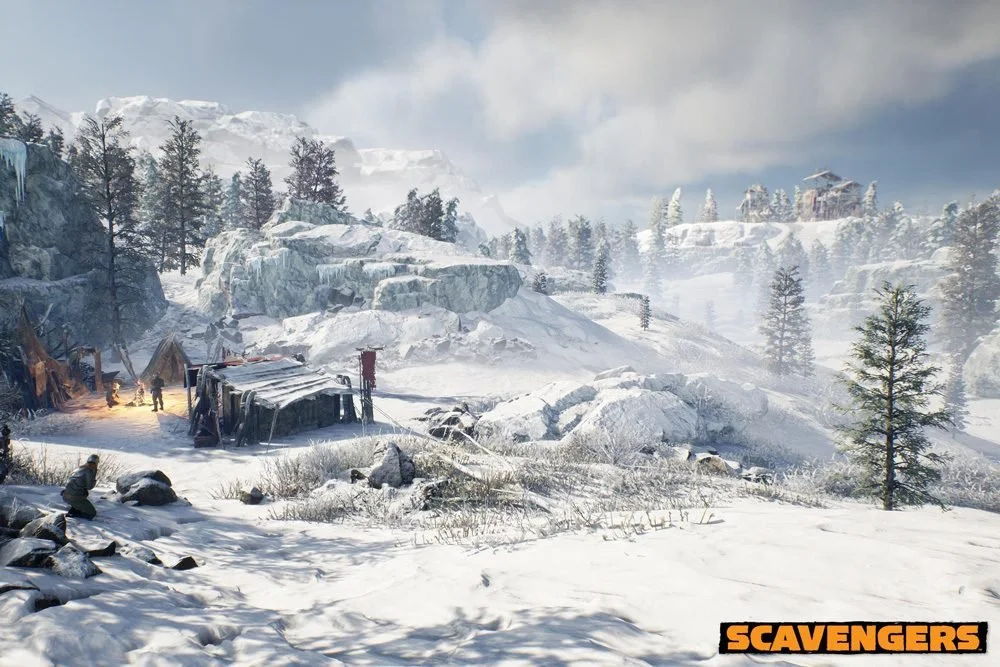
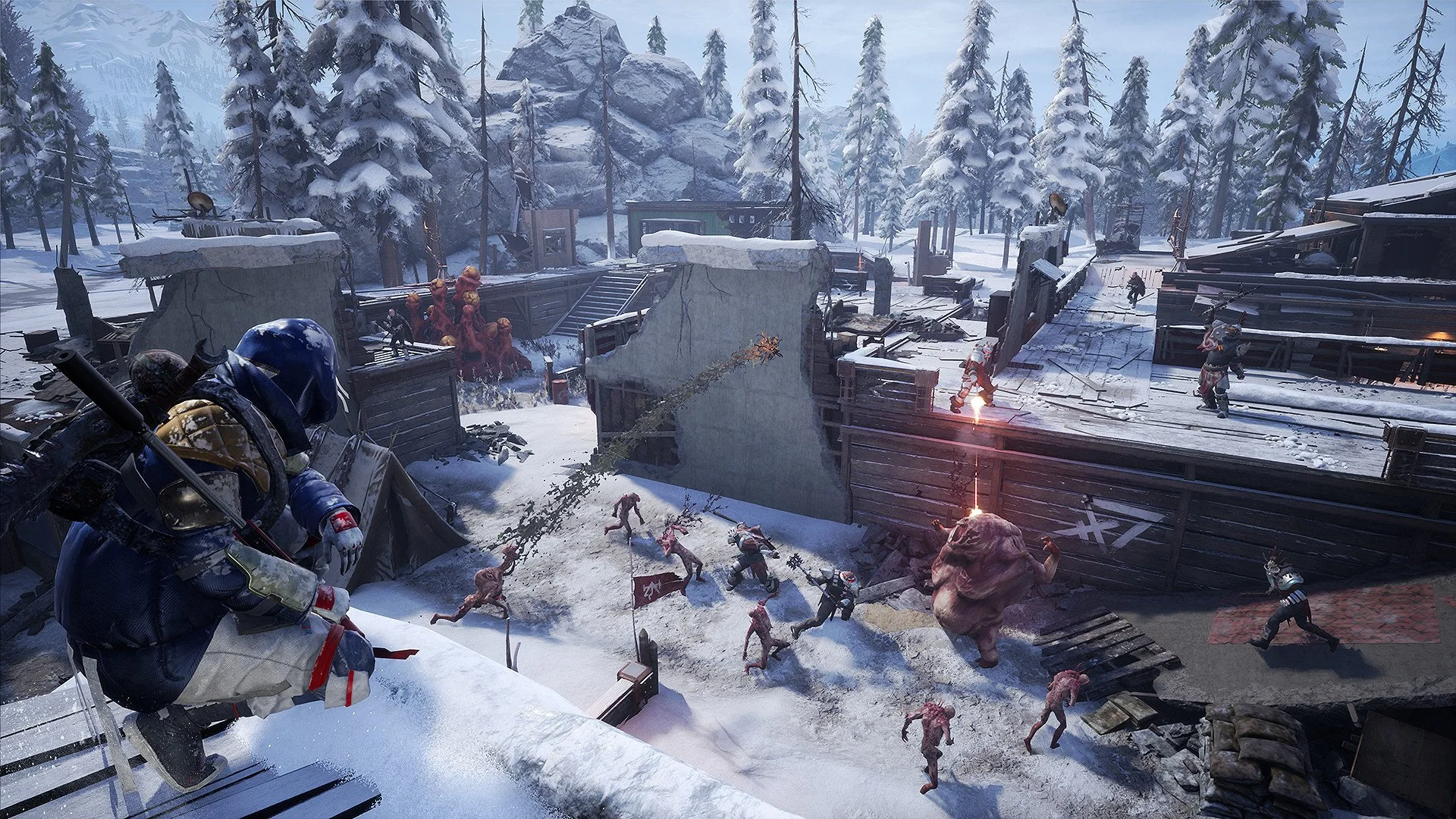
I led the level and encounter design direction for Scavengers, owning the structure of the game’s primary playable spaces and the standards for how combat encounters were designed, implemented, and evaluated. The goal was to build a world that could support authored PvE encounters, emergent PvP disruption, and meaningful player agency within the same session.
I developed the encounter construction framework around area control, readable fronts, and fallbacks, while focusing level design pillars around clear metrics, identifiable landmarks, verticality and player choice. The combination of these principles gave the team a shared vocabulary for building spaces that were enjoyable to move through, tactically expressive, and readable under pressure.
The playspace needed to do more than connect points of interest. It shaped the balance of power across each session. The macro layout of the level had to create clear route choices, manage player exposure, offer players with content, and serve the requirements of the core game mode. Making that work required close alignment between POI distribution, session economy, mode flow, and was heavily influenced by player movement data.
This work helped shape Scavengers into an exciting and hostile frozen wasteland that offered players both layered strategic decisions and meaningful tactical choices throughout each session.
Level and Encounter Design
Session Economy and Progression
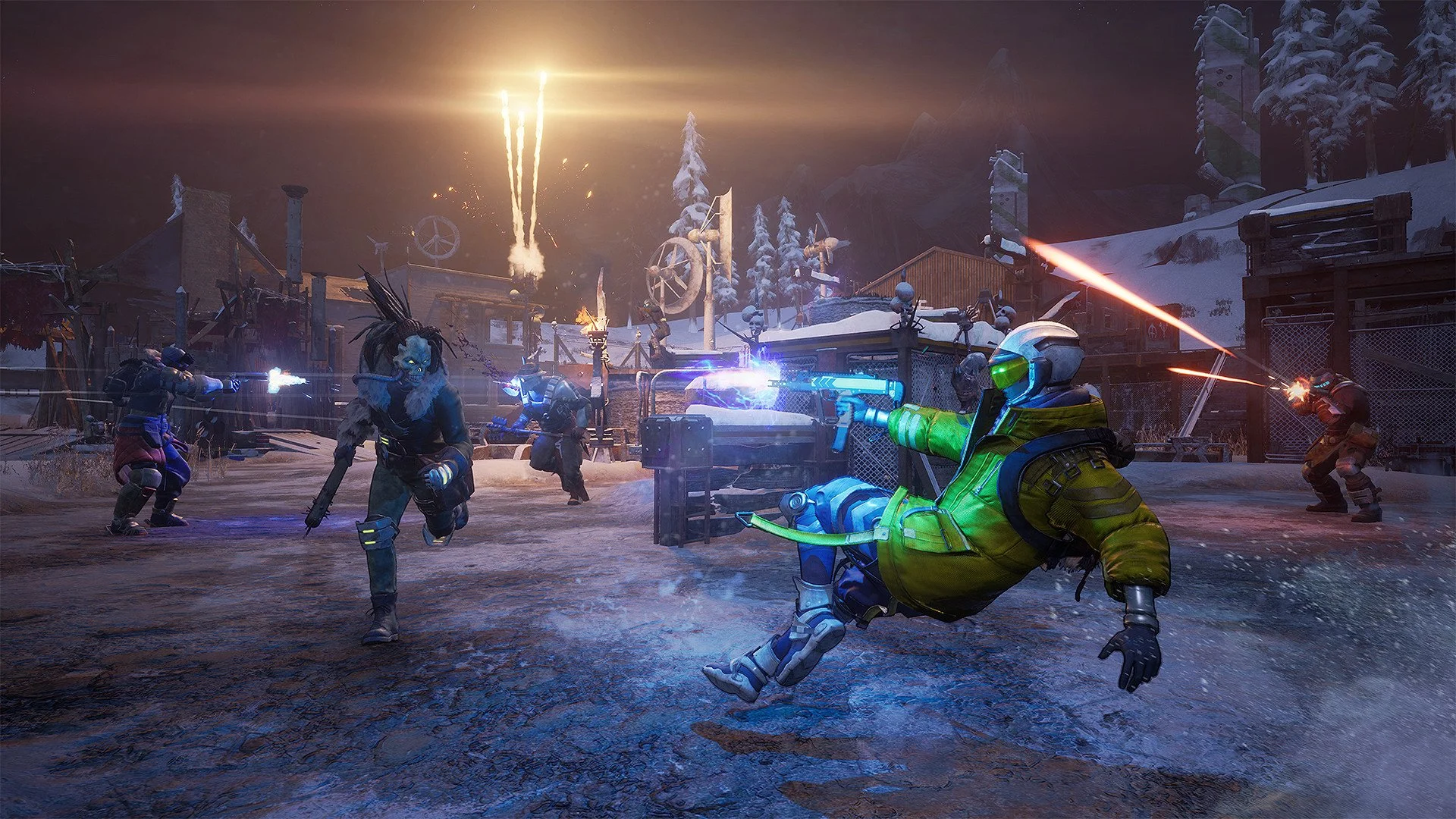
I led design efforts around session progression, economy, and crafting defining how players gained strength within a match and how those choices shaped the competitive survival loop. In a PvPvE game, progression had to create momentum without overwhelming combat readability or breaking the balance between squads while feeling rewarding and worthwhile.
The design challenge in this space was to make every session feel dynamic and allow multiple squads agency over their individual journeys in a competitive and lethal environment. Players needed to start with a clear baseline and clear strategic options that allowed them to shape their session while maintaining tension and consequence to those choices.
We supported this through careful activity distribution, resource faucets, and reward tradeoffs. Each squad needed multiple viable options at every stage of the session, with dynamic objectives creating opportunities, pressure points, and flashpoints across the map. The economy was designed to encourage movement and decision-making rather than passive accumulation, giving players a choice between steady power progression and higher-risk opportunities with sharper reward spikes. Making that work required close alignment between map flow, encounter rewards, crafting costs, player loadouts, AI difficulty, PvP pressure, and extraction timing. The strongest decisions were not simply about gaining power, but about when to invest, where to push, and how much danger the squad was willing to absorb.
This work strengthened the connection between sandbox combat and session strategy, helping Scavengers deliver a consistently interesting match arc to players each session.