Mission 6: Shutdown
Shutdown sends Master Chief and Cortana into the skies of Requiem to disable the Didact’s defensive network. This mission was a unique challenge early on in my career due to limited resource constraints and a very tight production deadline compared to other missions in the game. My contributions focused on mission structure, level design, encounter design, set piece and combat scripting.
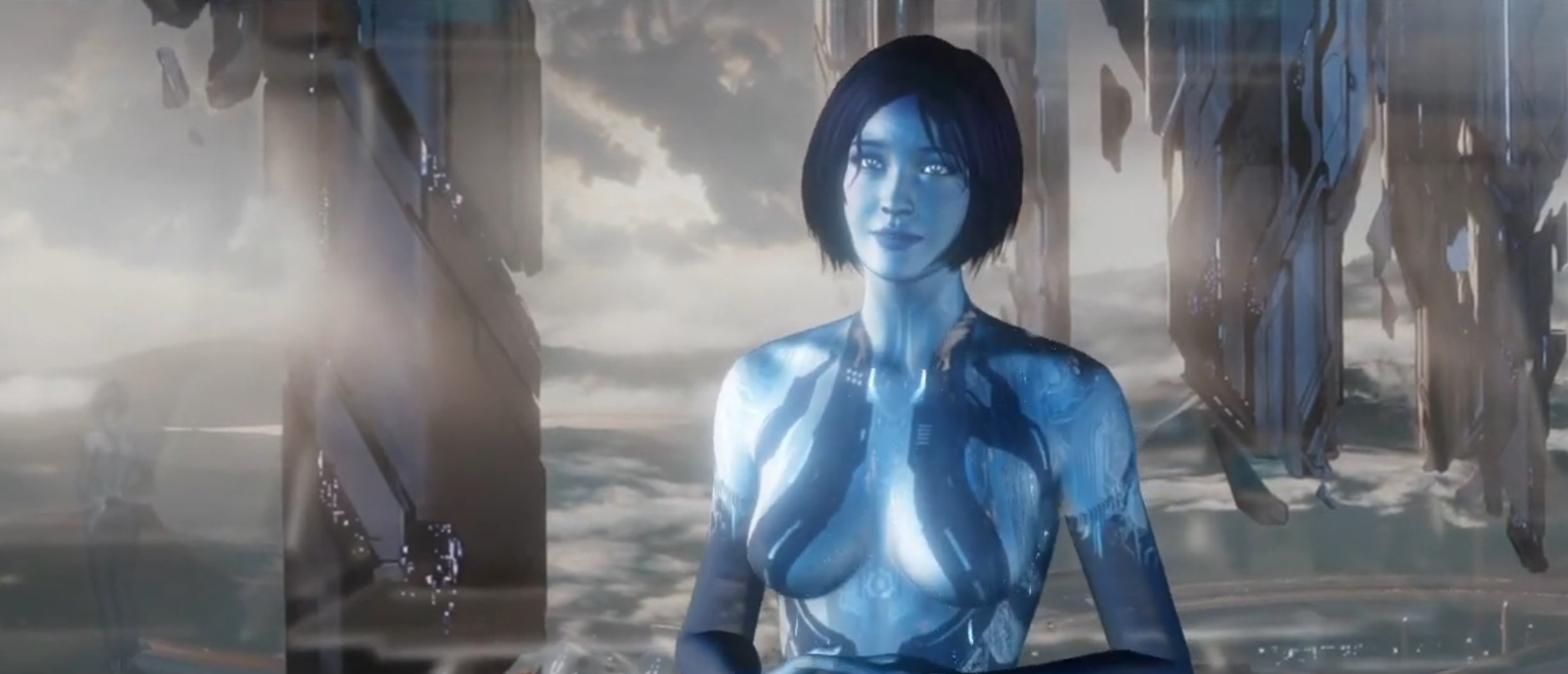
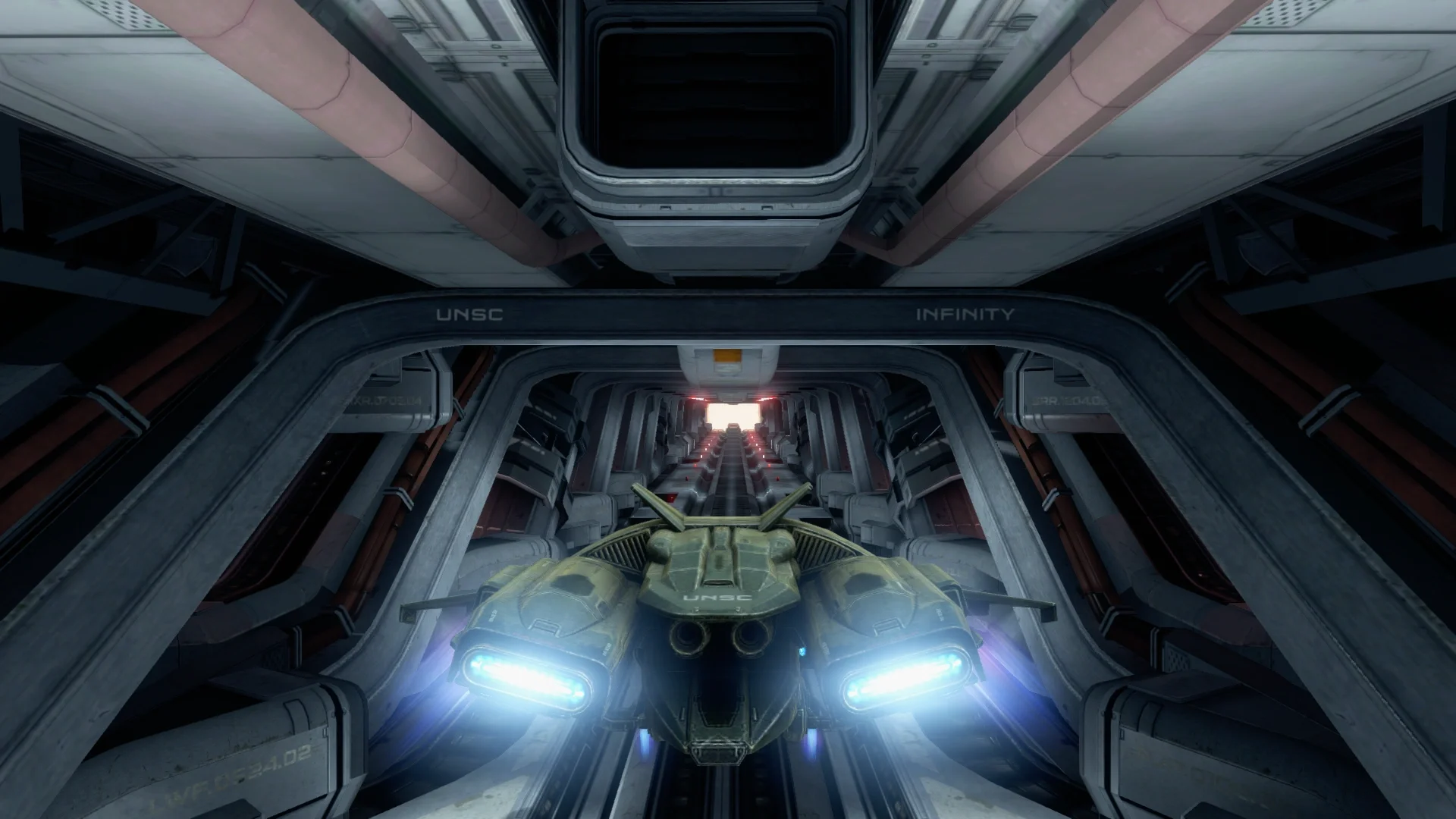
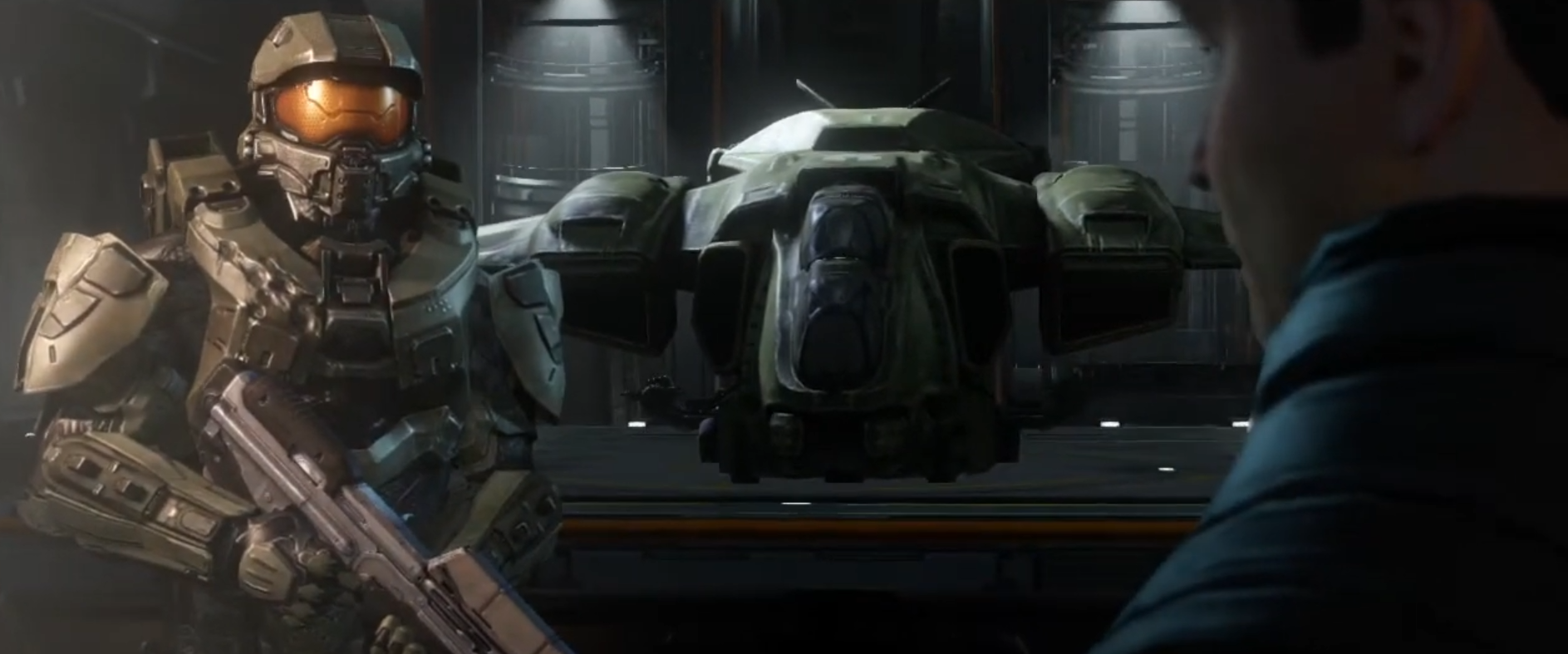
Chief and Cortana commandeer a Pelican gunship and launch into the skies above Requiem, pushing forward without UNSC support to disable the three towers protecting the Didact’s ship. The mission moves through distinct gameplay beats: a quiet hangar moment that reinforces the Marines’ admiration for Chief, aerial combat against Phantom defenses, and a series of infantry encounters inside Forerunner structures.
Each tower introduces a different combat experience, from a moving gondola fight, to an open multi-objective platform space, to a final sequence built around high-friction platform combat and Banshee gameplay. While the mission had production constraints and the Pelican fantasy was not fully realized, it still stands out for its scale and variety of gameplay.
Overview
Encounter Highlights
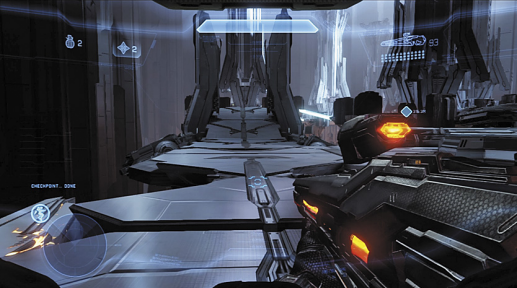
The Left Tower encounter was built around moving-platform combat, tapping into the fantasy of boarding actions, sniper duels, and staged enemy ambushes.
The first stop opens with a long-range duel against Jackal snipers before transitioning into close-quarters combat around ramps, blind corners, and compressed platform spaces. The second stop escalates the friction with heavily armed Promethean forces, giving players multiple ways to engage: methodical long-range duels, mid-range strafe fights, and intense CQC combat.
While the shipped version was more static than originally envisioned, it helped lay the groundwork for future encounter and traversal tech that informed my later work on Halo 5. It also demonstrated how strong encounter composition, clear objective pacing, and authored escalation could create a dynamic-feeling mission beat within limited resources.
Gondola
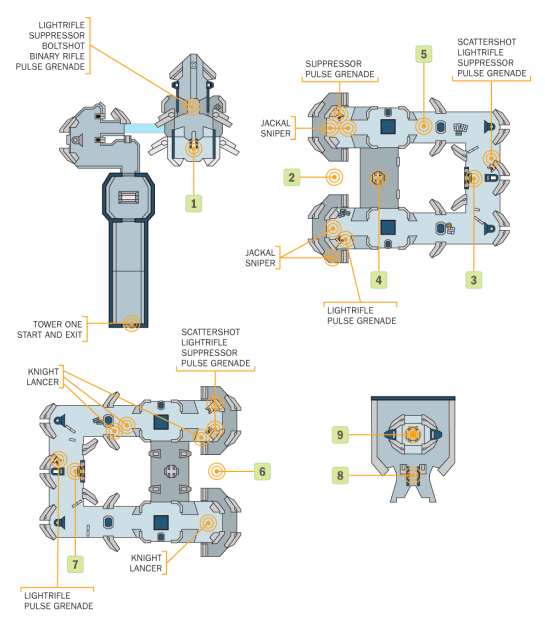
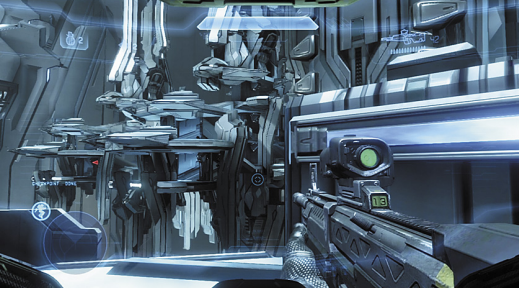
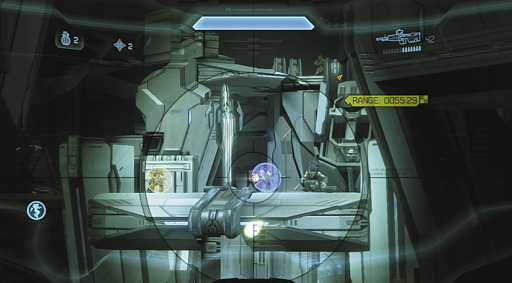
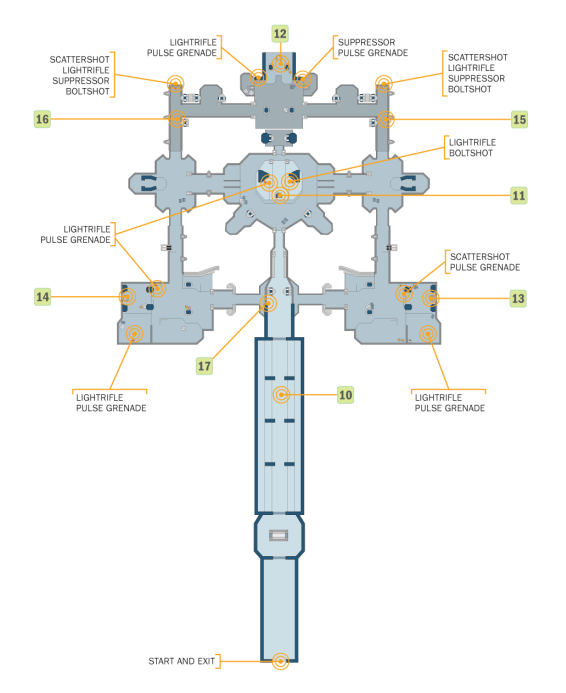
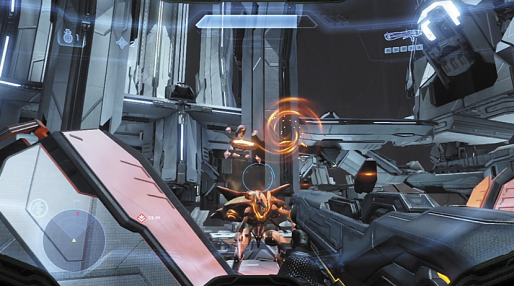
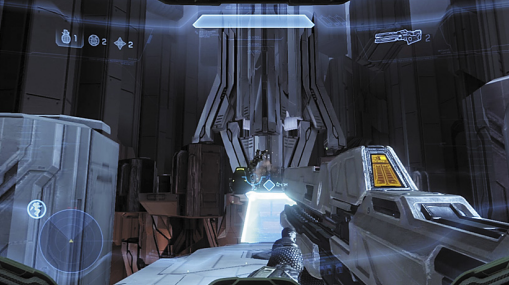
To create contrast from the linear gondola sequence, the Right Tower presents players with a more open, multi-objective encounter set within an interconnected Forerunner arena.
The core design challenge was to give players greater agency while maintaining clarity, pacing, and authored combat escalation. I used the central platform as a clear orientation landmark, with elevation changes and sightlines creating distinct engagement ranges, traversal options, and opportunities for players to plan their route through the space.
Each attenuator functioned as a localized combat pocket with its own guardian encounter, pulling players toward clear objectives while allowing the broader fight to evolve based on the order in which they chose to engage. The result was a freeform encounter that responded to player choice while still maintaining the friction, pacing, and authored structure of a hand-built campaign experience.
Triple Core
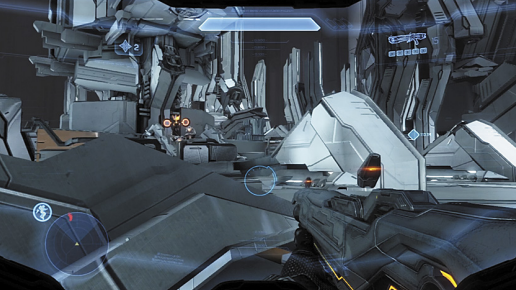
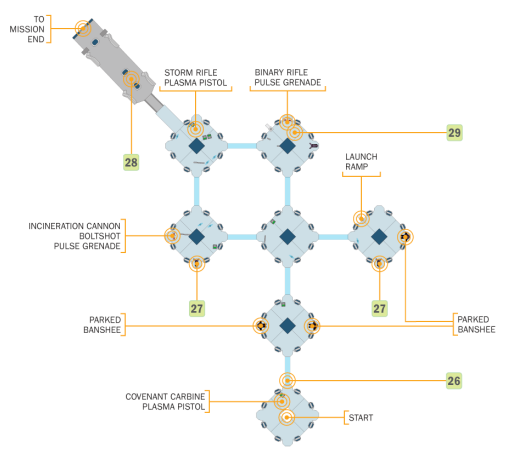
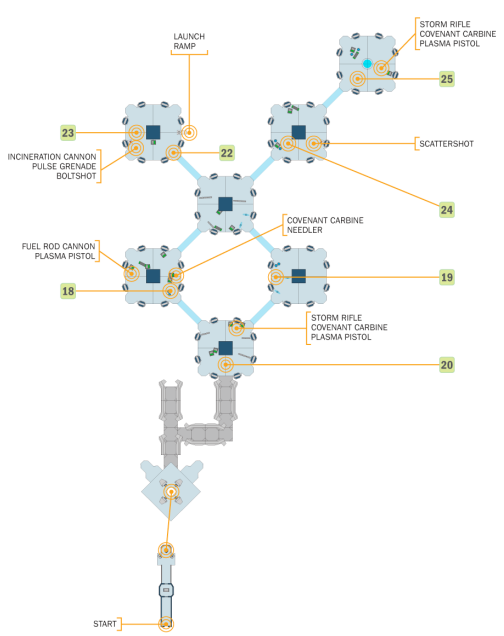
Tower Three was designed as the mission’s final escalation in friction, scale, and challenge. The encounter asks players to assault heavily defended Covenant positions while the Didact actively reconfigures the environment to deny access, turning traversal, exposure, and enemy pressure into a unified combat problem.
The first level uses small platforms, thin light bridges, and exposed crossings to create dangerous combat funnels and traversal hazards. Players must push through layered Covenant defenses while managing resources, sightlines, and spatial awareness, building toward a pair of Hunters guarding the lift to the second level.
The second level escalates the mission by subverting expectations and opening into an interior aerial combat space. Players can either fight methodically across the platforms on foot or take control of a Banshee and shift the encounter into intense aerial combat ultimately converging an assault on a final defensive line guarding the objective.
This sequence demonstrates a combination of linear and open sandbox encounter design, vehicle integration, layered threat placement, and clear objective structure in support of both player agency, large scale combat and authored escalation.
Bridges
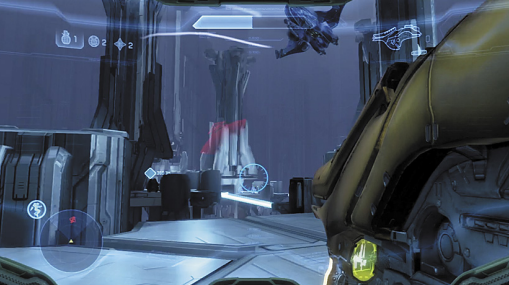
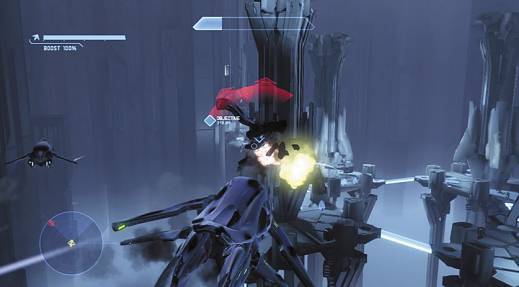
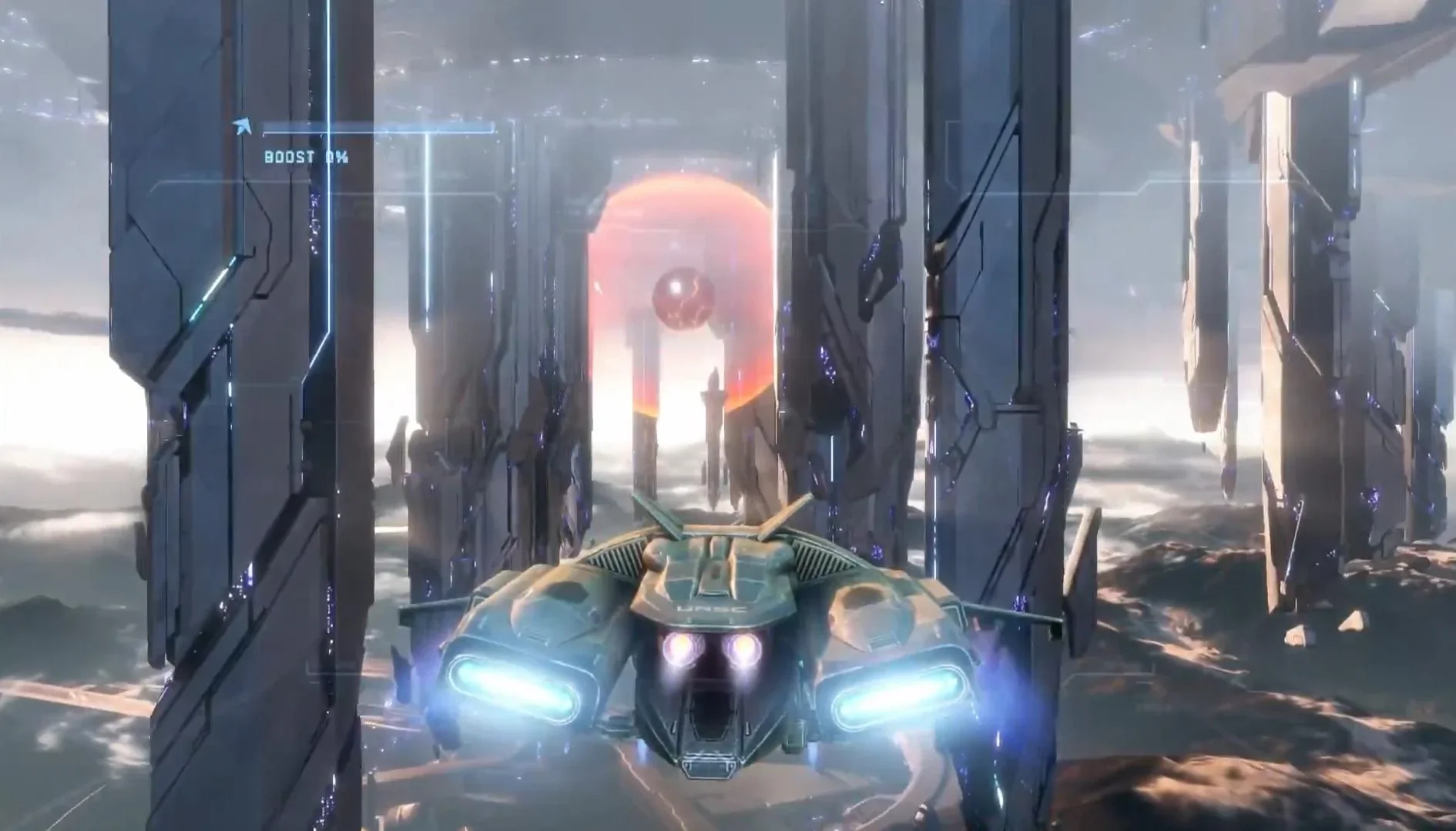
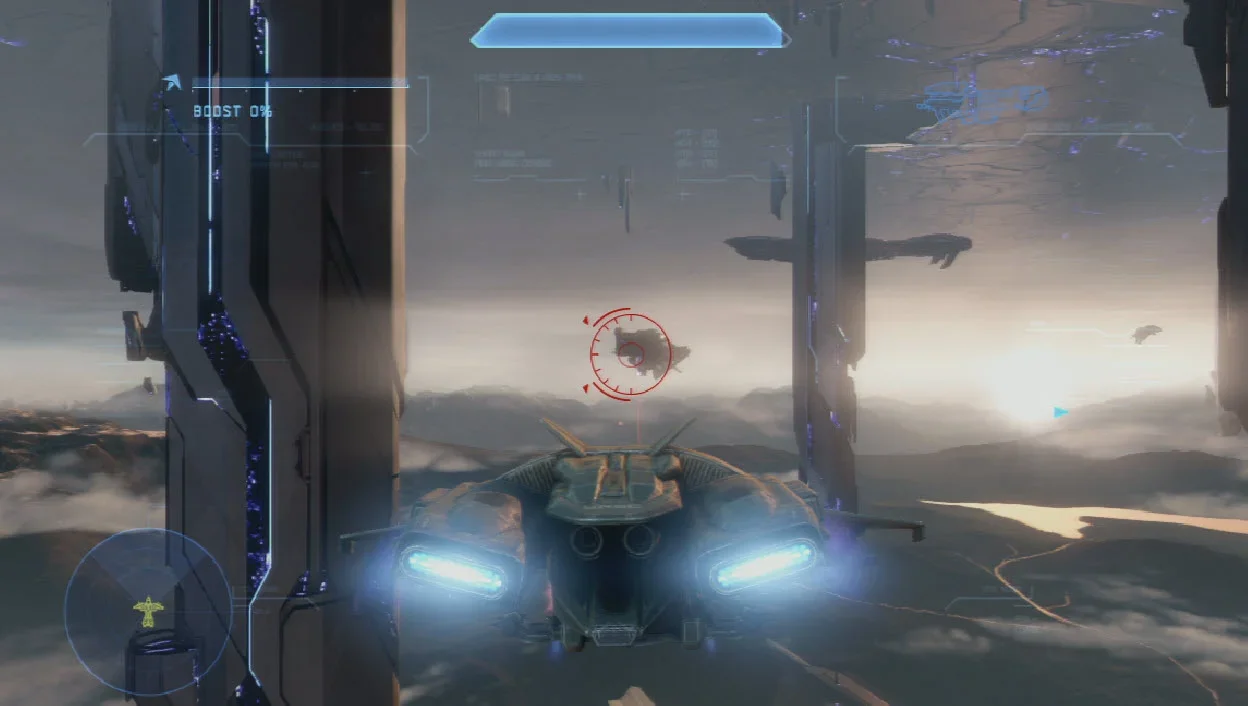
The aerial section of Shutdown was built around the player-facing Pelican fantasy, giving players control of a heavily armed version of the iconic transport and briefly expanding the Halo sandbox into a larger-scale air combat experience. The goal was to make the player feel like they were piloting an armored assault craft, breaking through enemy defenses and attacking three Forerunner beachheads protected by the Didact’s forces.
One of the biggest design challenges was balancing environmental scale, vehicle scale, and combat readability. Requiem’s skybox and Forerunner structures needed to feel massive, but the combat still had to remain legible, responsive, and objective-driven. To support that, we focused the aerial engagements around the spires themselves, giving players clear navigation goals, readable enemy positions, and strong spatial anchors while moving through a much larger environment.
This sequence required practical design concessions due to limited technology, resources, and the vehicle-combat constraints we had at the time. While the shipped version was more contained than the full fantasy, it still delivered a memorable change of pace allowing players to enjoy a uniquely armed flying vehicle.
Pelican